PRODUCT
‹
›
‹
›
Product Description
I. Core Structure and Materials
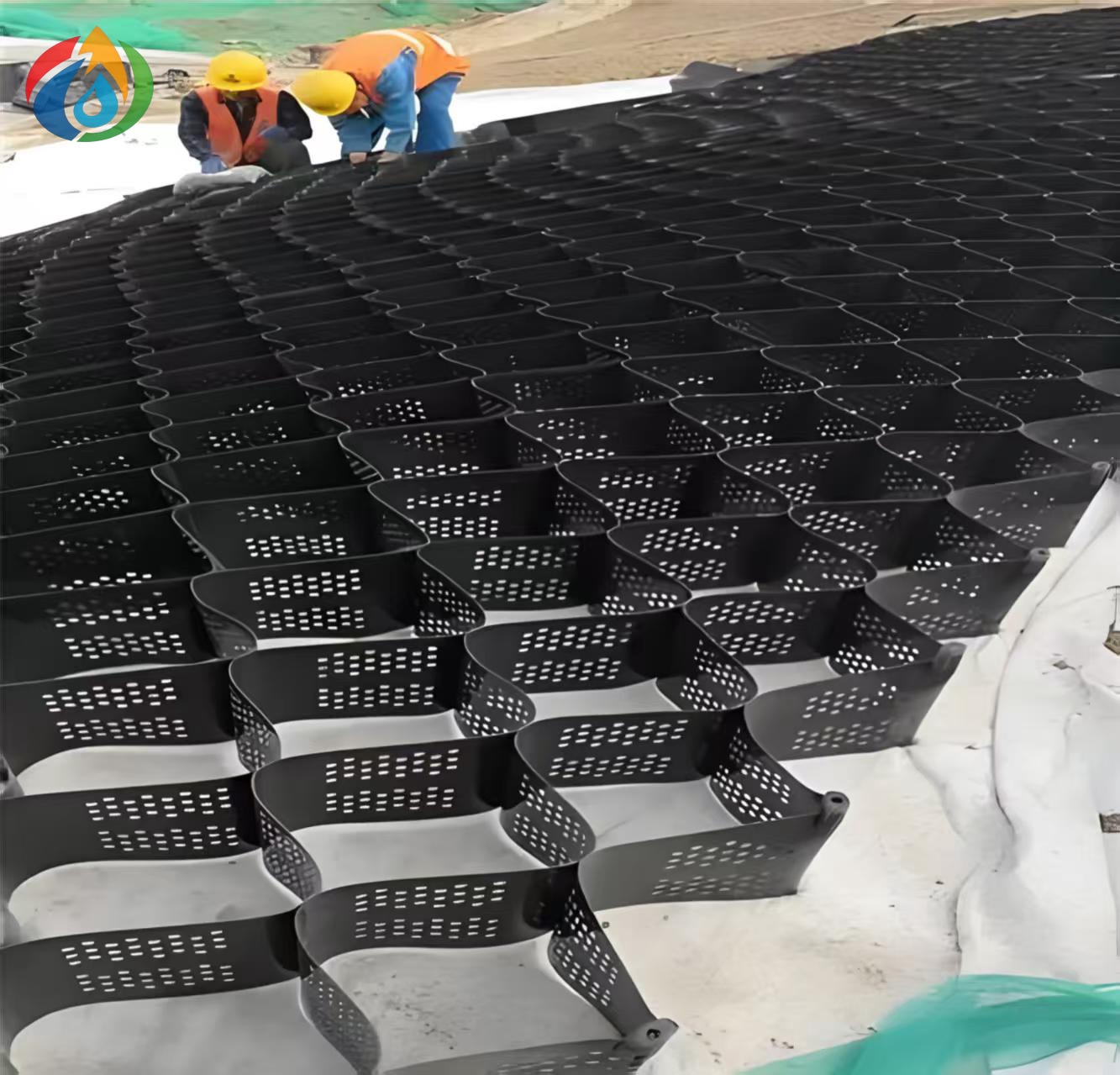
Sheet Layer: Made of high-molecular polymer (HDPE/PP) through high-strength stretching, possessing high tensile strength and low elongation.
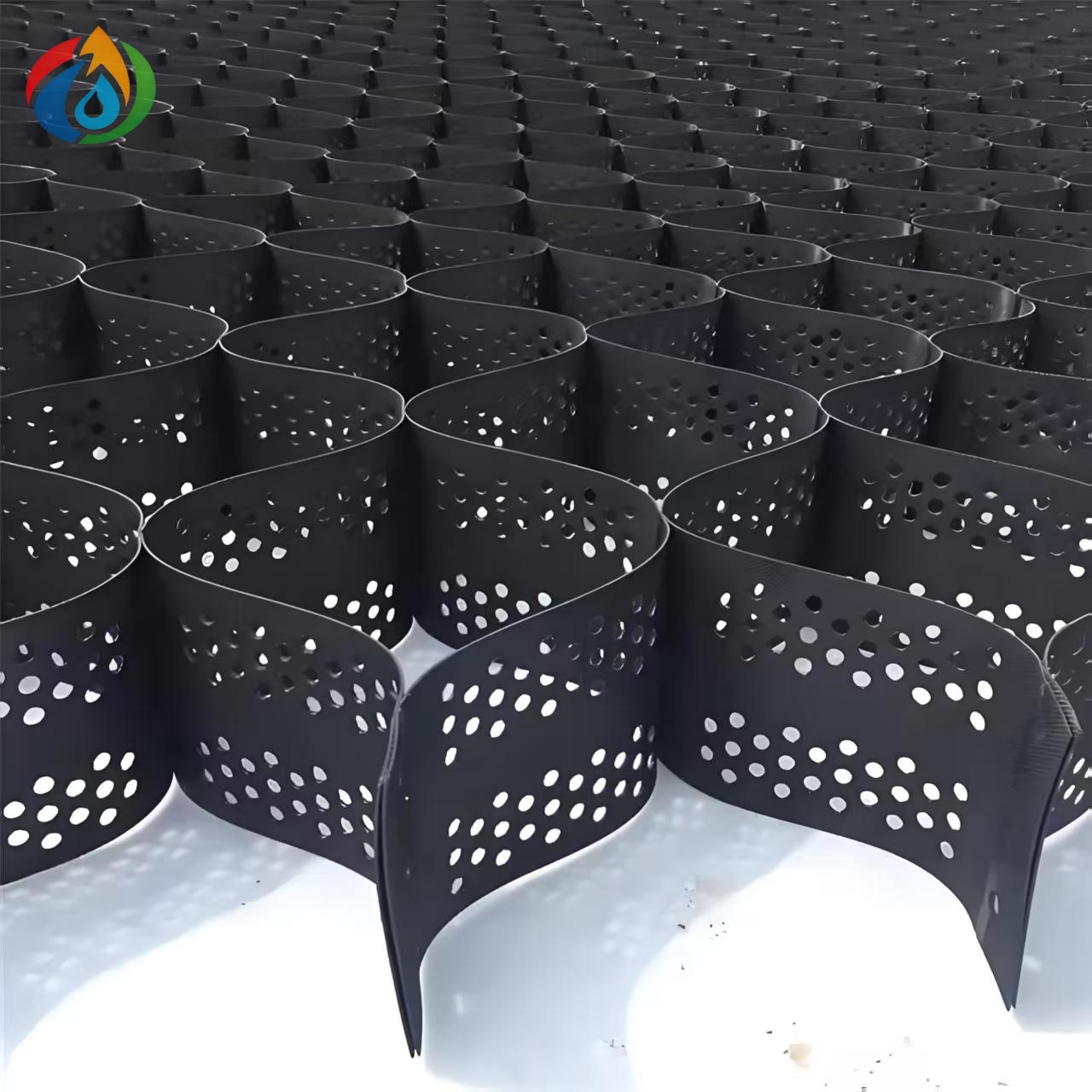
Welded Joints: The sheets are ultrasonically or thermally welded to form a stable honeycomb-like cell structure. The joints exhibit high connection strength, with a peel force ≥60KN/m and a shear strength ≥80KN/m.
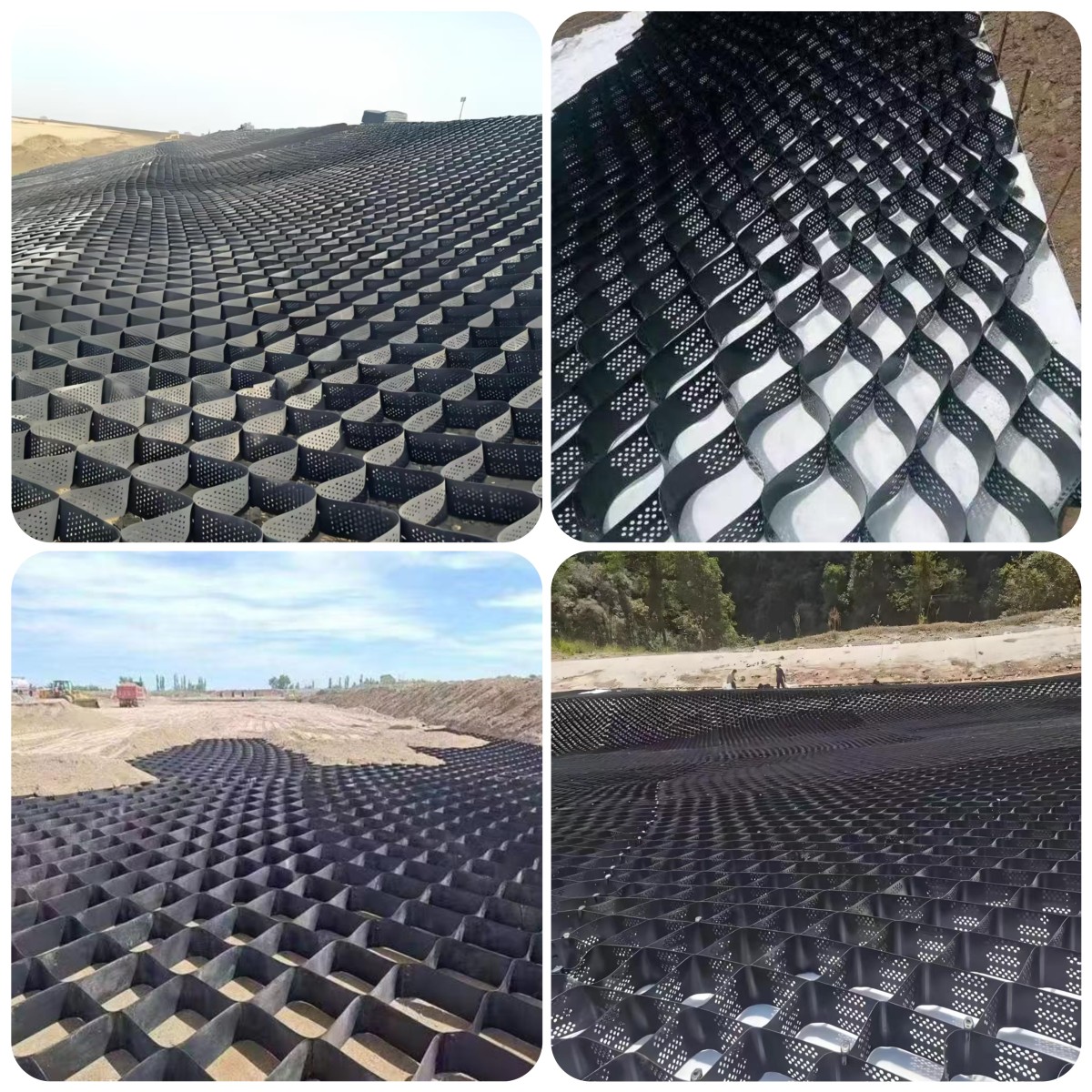
Three-Dimensional Structure: When unfolded, it forms a continuous three-dimensional mesh cell structure. The spatial constraint effect of the combination of planar and vertical surfaces enhances the confinement of the filler.
II. Specifications (Mainstream)
Item | Parameter Range
Cell Height | 50mm ~ 300mm
Welding Spacing | 330mm ~ 1600mm
Sheet Thickness | 1.0mm ~ 1.7mm
Material | HDPE (High-Density Polyethylene) / PP (Polypropylene)
Color | Black (Contains ≥2% Carbon Black, UV Resistant)
III. Core Advantages (Compared to Traditional Planar Reinforcement)
Three-Dimensional Reinforcement: Upgraded from traditional planar reinforcement to three-dimensional reinforcement, its lateral confinement and stiffness far exceed those of planar materials such as geogrids.
Strong Lateral Confinement: The honeycomb-like cell structure creates strong lateral confinement forces on the infill material, significantly improving load-bearing capacity and load dispersion.
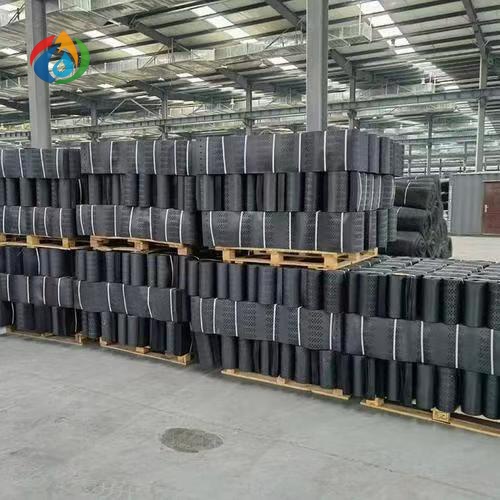
Flexible and Convenient Transportation: Can be folded and transported, greatly saving transportation space and costs; ready for use on-site.
High Joint Strength: Ultrasonic/thermal welding joints are strong and stable, with no metal connectors, ensuring high long-term connection strength and preventing movement.
Weather and Corrosion Resistance: Lightweight, wear-resistant, resistant to acids, alkalis, and salt corrosion; will not hydrolyze even after long-term use in aquatic environments.
Locally Sourced Materials, Economical and Efficient: Can utilize locally sourced sand, gravel, soil, and other filling materials, significantly reducing material transportation costs.
IV. Applicable Scenarios
Highways and Railways: Soft soil foundation treatment, abutment backfilling, loess collapsible subgrade treatment, saline/expansive soil subgrade reinforcement
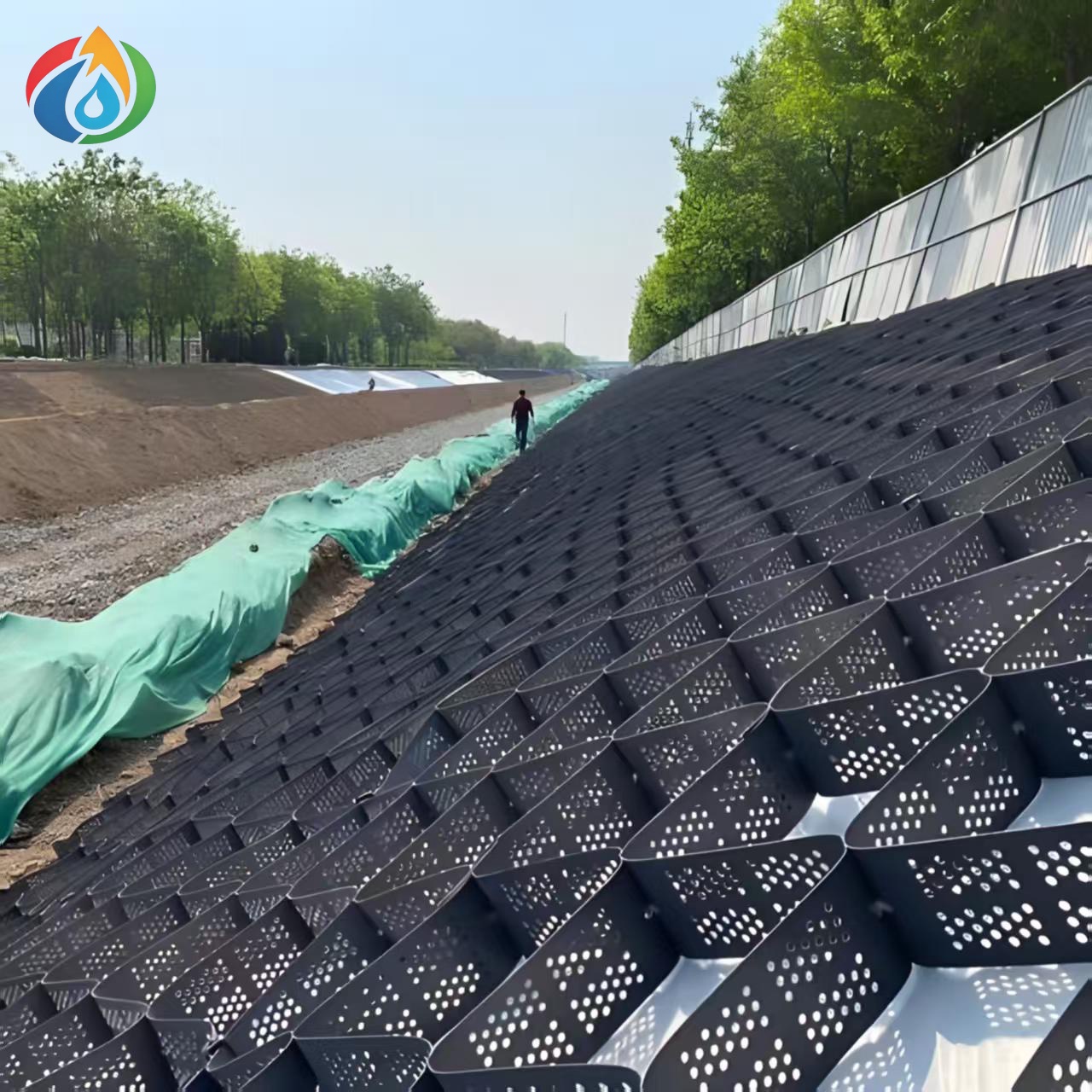
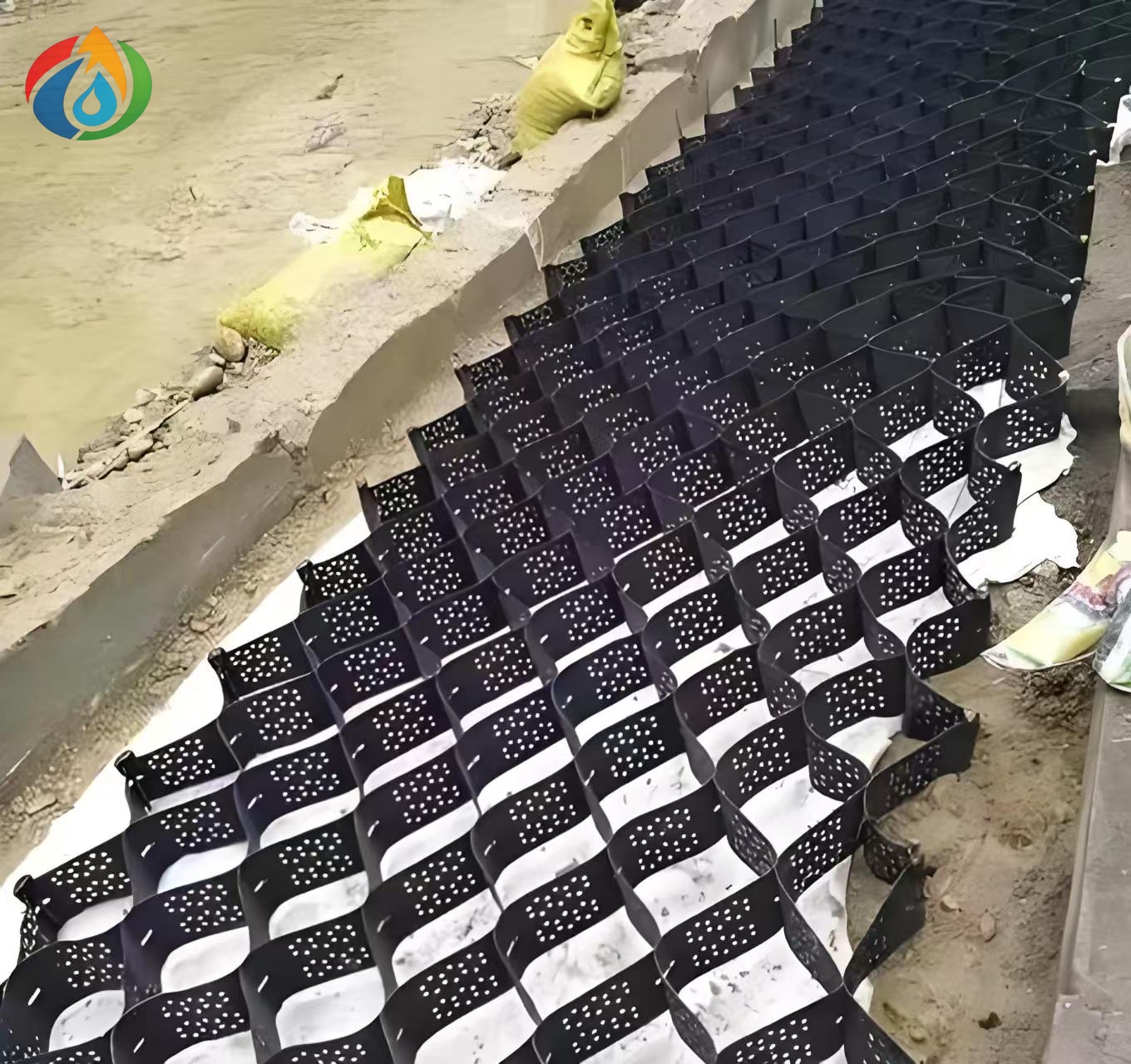
Water Conservancy Projects: River channel management, riverbed and bank management, shallow river channel management, soil erosion prevention
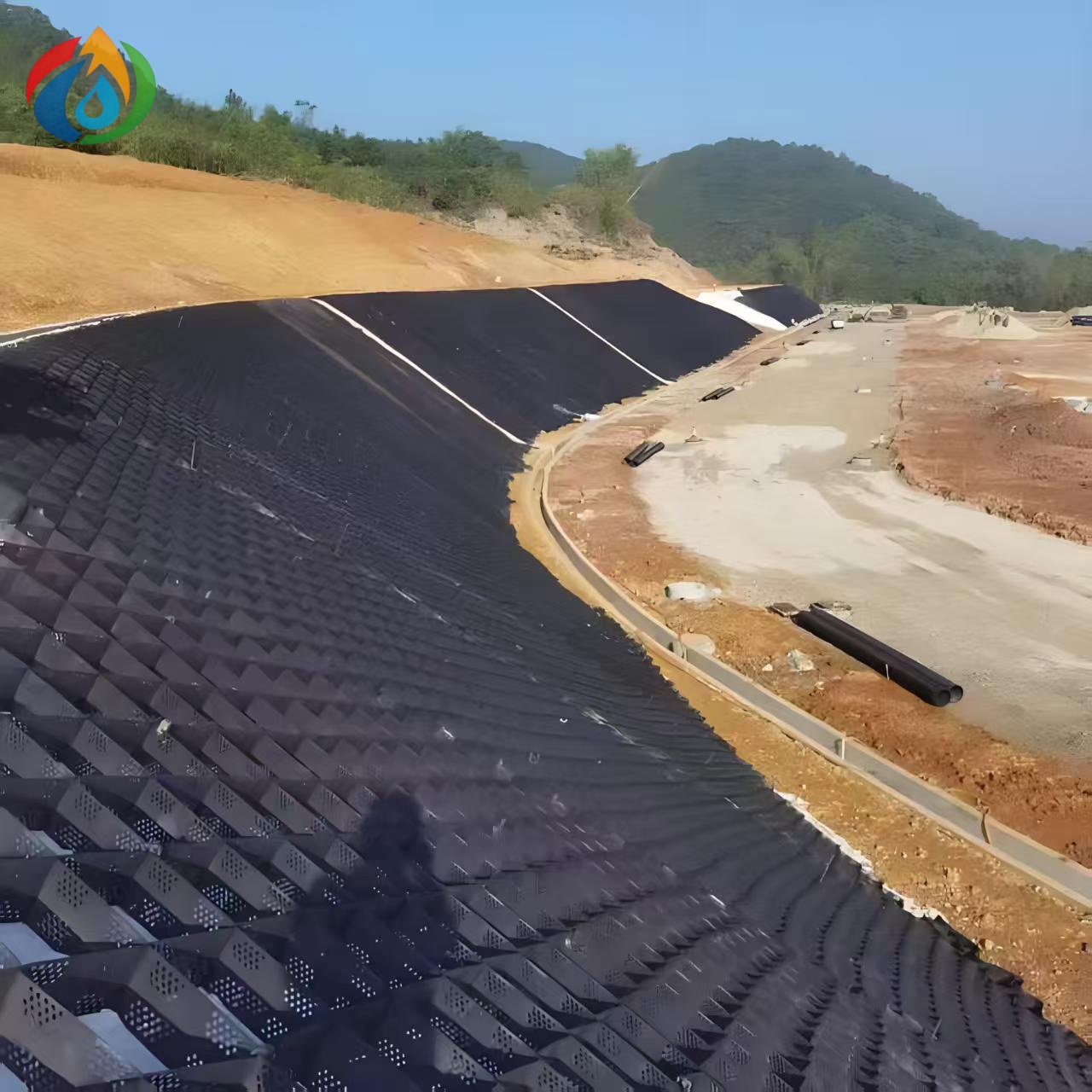
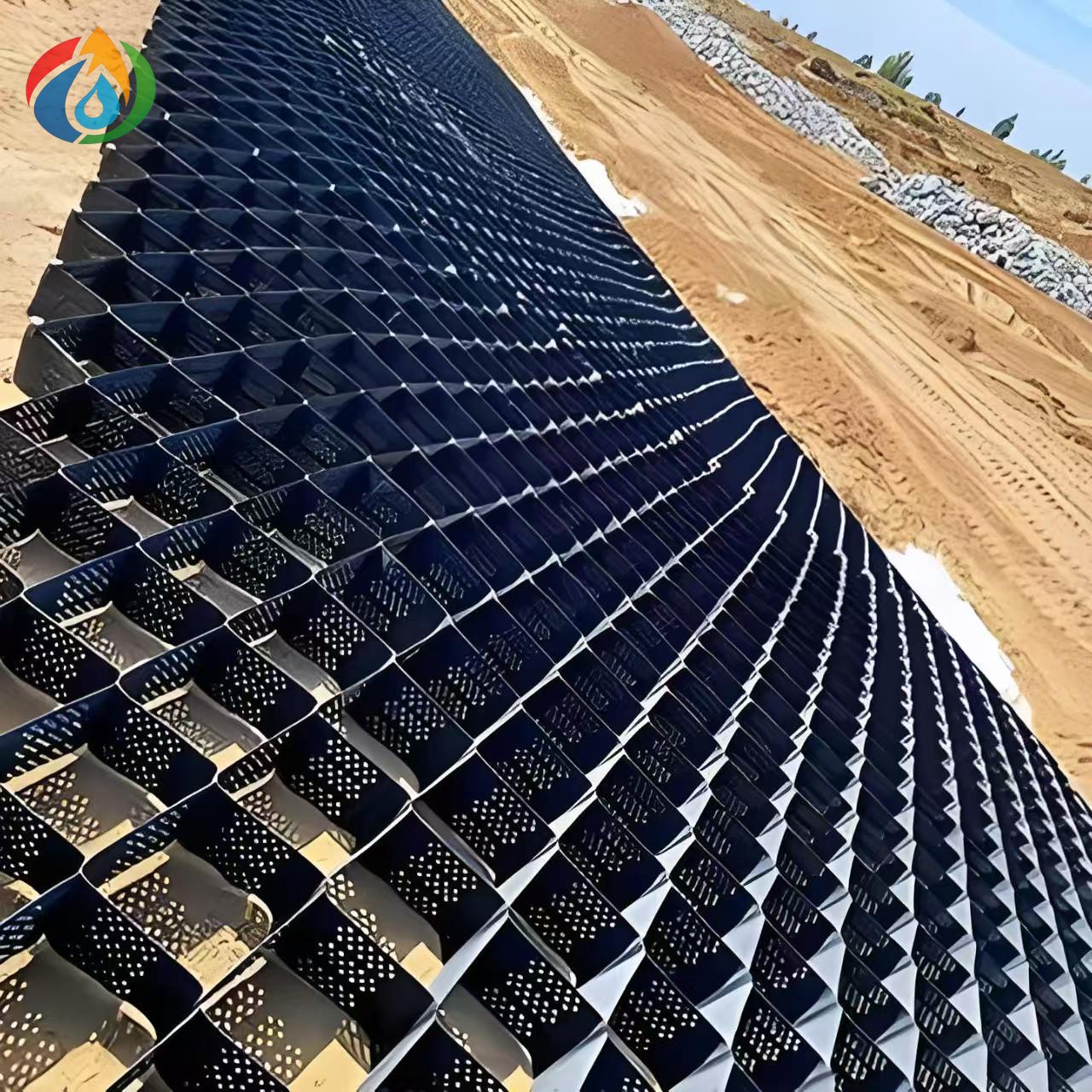
Slope Management: Slope protection, landslide prevention, ecological retaining wall construction
Special Foundations: Treatment of adverse foundations such as deserts, swamps, tidal flats, frozen soil, and collapsible loess
Other Fields: Supporting pipelines and sewers, wharf breakwaters, independent walls, airports and ports, etc.
V. Construction Key Points
Foundation Preparation: Clean, level, and compact the foundation ground, ensuring no sharp obstacles.
Cell Deployment: Transport the collapsed geocells to the site and tension and deploy them into a honeycomb-like three-dimensional grid.
Anchoring and Fixing: Secure the deployed cells around their perimeter using U-shaped nails or anchor rods, ensuring the cells are fully deployed and do not twist.
Filling: Soil, gravel, concrete, or other fillers are added to the cell units, filling in layers and compacting.
Surface Treatment: After filling, the surface is leveled and compacted to form a stable, integrated structural layer.
VI. Selection Recommendations
By Height: 50-100mm is suitable for slope protection and shallow reinforcement; 150-200mm is suitable for roadbed reinforcement and load-bearing projects; over 200mm is suitable for heavy-load and high-fill projects.
By Welding Spacing: Small spacing (330-500mm) is suitable for fine reinforcement; large spacing (500-1600mm) is suitable for large-volume filling projects.
By Material: HDPE material has excellent resistance to environmental stress cracking and is suitable for aquatic environments and harsh geological conditions; PP material offers high cost-effectiveness and is suitable for general projects.
By Sheet Thickness: 1.0-1.3mm is suitable for general projects; 1.3-1.7mm is suitable for heavy-load and high-strength projects.
Product Show
Project Case Studies
Hydraulic Engineering
Riverbank Slope Protection Project
Riverbank Slope Protection Project
Hydraulic Engineering
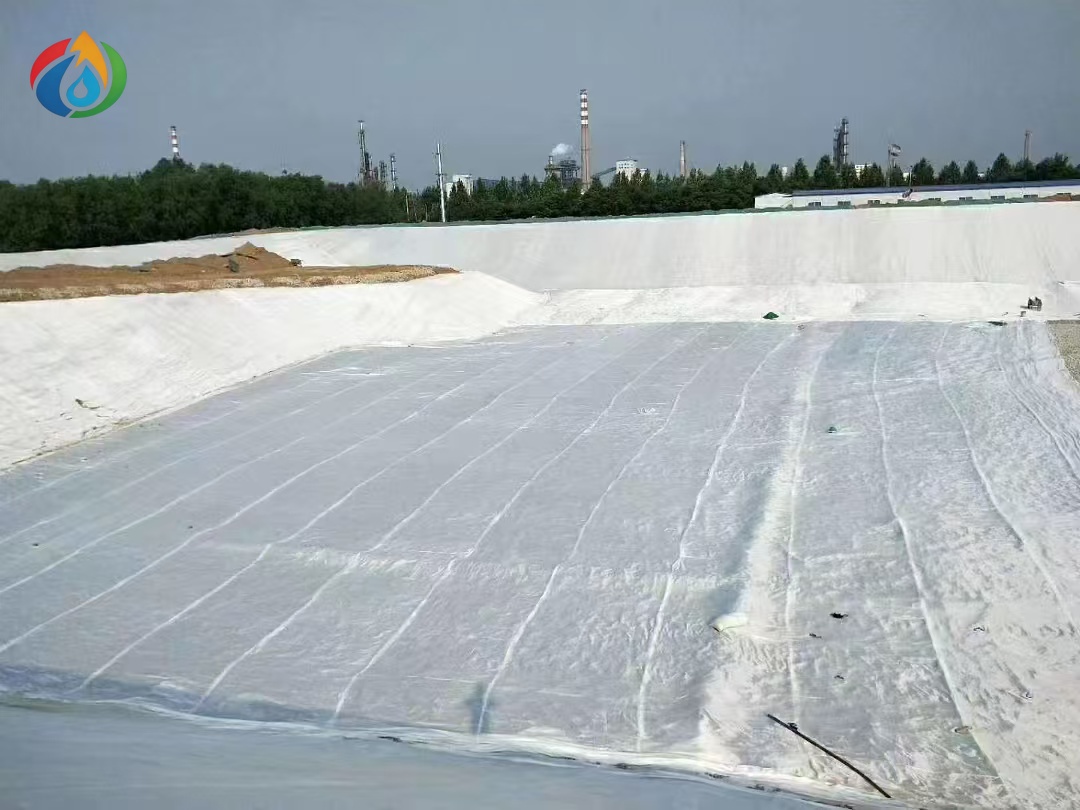
Artificial Lake Anti-Seepage Project
Artificial Lake Anti-Seepage Project
Salt Field Drying
Project Case Studies
Project Case Studies
Landfilling
Landfill Liner Systems
Landfill Liner Systems
Waste Landfilling
Solid Waste Landfill Project
Solid Waste Landfill Project
Launch Your High-Efficiency Anti-Seepage Solution
Our team of experts will provide you with a customized quotation and technical recommendations within 24 hours.
Related Products
 PVC GeomembraneStandardized ManufacturingScalable and Reliable DeliveryLearn More >
 EVA/ECB Waterproof MembraneStandardized ManufacturingScalable and Reliable DeliveryLearn More >
 Composite GeomembraneStandardized ManufacturingScalable and Reliable DeliveryLearn More >
 Short Fiber GeotextileStandardized ManufacturingScalable and Reliable DeliveryLearn More >
 Long-Filament GeotextileStandardized ManufacturingScalable and Reliable DeliveryLearn More >
 Eco BagStandardized ManufacturingScalable and Reliable DeliveryLearn More >
 Gabion BagStandardized ManufacturingScalable and Reliable DeliveryLearn More >
 Concrete BlanketStandardized ManufacturingScalable and Reliable DeliveryLearn More >
-(2)-(1)") Geogrid-(1)-(2)-(1)Standardized ManufacturingScalable and Reliable DeliveryLearn More >
Geogrid-(1)-(2)-(1)Standardized ManufacturingScalable and Reliable DeliveryLearn More > GeogridStandardized ManufacturingScalable and Reliable DeliveryLearn More >
 GeogridStandardized ManufacturingScalable and Reliable DeliveryLearn More >
 GeogridStandardized ManufacturingScalable and Reliable DeliveryLearn More >
 GeogridStandardized ManufacturingScalable and Reliable DeliveryLearn More >
 GeogridStandardized ManufacturingScalable and Reliable DeliveryLearn More >
 GeocellStandardized ManufacturingScalable and Reliable DeliveryLearn More >
 GeocellStandardized ManufacturingScalable and Reliable DeliveryLearn More >
 GeocellStandardized ManufacturingScalable and Reliable DeliveryLearn More >
 GeocellStandardized ManufacturingScalable and Reliable DeliveryLearn More >
 GeocellStandardized ManufacturingScalable and Reliable DeliveryLearn More >
 GeocellStandardized ManufacturingScalable and Reliable DeliveryLearn More >
 PVC GeomembraneStandardized ManufacturingScalable and Reliable DeliveryLearn More >
 PVC GeomembraneStandardized ManufacturingScalable and Reliable DeliveryLearn More >
 PVC GeomembraneStandardized ManufacturingScalable and Reliable DeliveryLearn More >
 PVC GeomembraneStandardized ManufacturingScalable and Reliable DeliveryLearn More >
 EVA/ECB Waterproof MembraneStandardized ManufacturingScalable and Reliable DeliveryLearn More >
 EVA/ECB Waterproof MembraneStandardized ManufacturingScalable and Reliable DeliveryLearn More >
 EVA/ECB Waterproof MembraneStandardized ManufacturingScalable and Reliable DeliveryLearn More >
 EVA/ECB Waterproof MembraneStandardized ManufacturingScalable and Reliable DeliveryLearn More >
 EVA/ECB Waterproof MembraneStandardized ManufacturingScalable and Reliable DeliveryLearn More >
 Composite GeomembraneStandardized ManufacturingScalable and Reliable DeliveryLearn More >
 Short Fiber GeotextileStandardized ManufacturingScalable and Reliable DeliveryLearn More >
 Short Fiber GeotextileStandardized ManufacturingScalable and Reliable DeliveryLearn More >
 Short Fiber GeotextileStandardized ManufacturingScalable and Reliable DeliveryLearn More >
 Long-Filament GeotextileStandardized ManufacturingScalable and Reliable DeliveryLearn More >
") Long-Filament Geotextile-(3)Standardized ManufacturingScalable and Reliable DeliveryLearn More >
Long-Filament Geotextile-(3)Standardized ManufacturingScalable and Reliable DeliveryLearn More > Long-Filament GeotextileStandardized ManufacturingScalable and Reliable DeliveryLearn More >
 Long-Filament GeotextileStandardized ManufacturingScalable and Reliable DeliveryLearn More >
 Eco BagStandardized ManufacturingScalable and Reliable DeliveryLearn More >
 Eco BagStandardized ManufacturingScalable and Reliable DeliveryLearn More >
Leave A Message
If you are interested in our products and want to know more details, please leave a message here, we will reply you as soon as we can.