PRODUCT
‹
›
‹
›
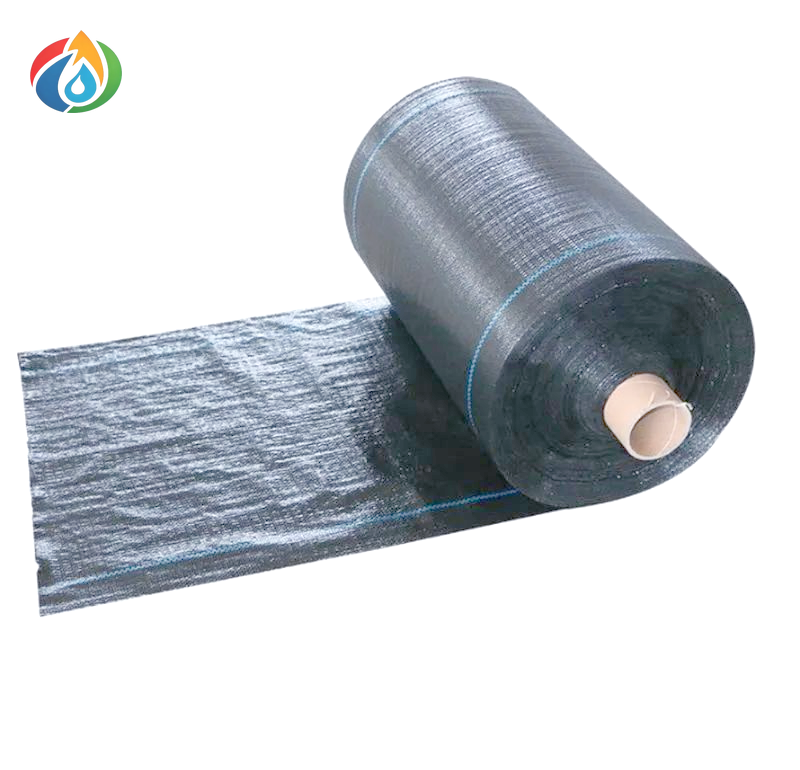
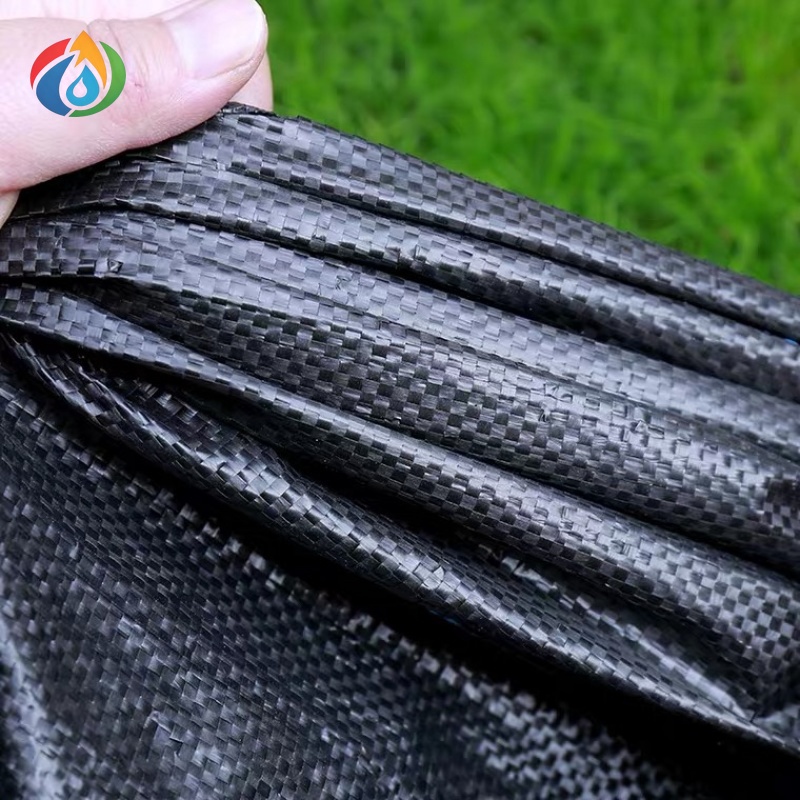
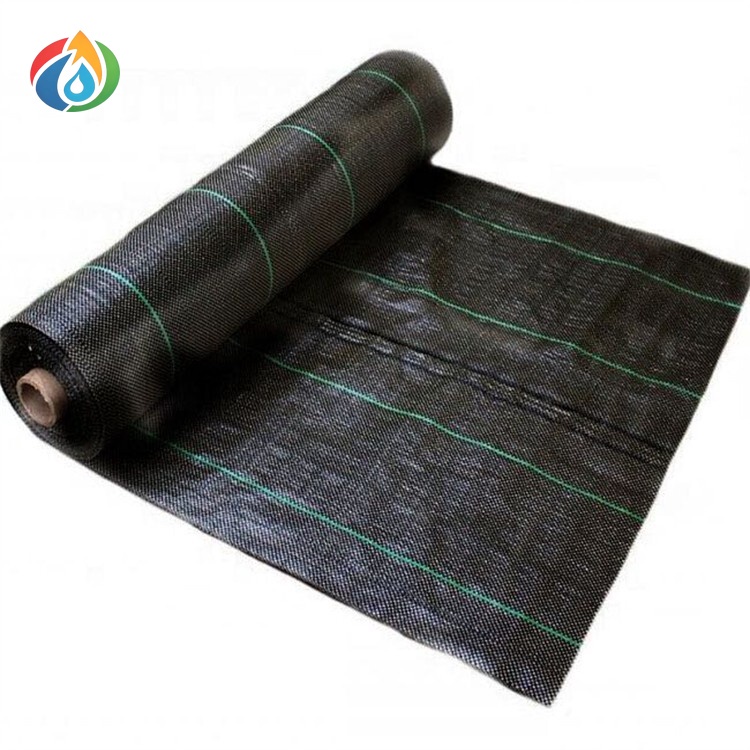
Product Description
I. Core Principles
- Shading and Weed Suppression: The black fabric blocks sunlight, inhibiting weed photosynthesis with a weed suppression rate of ≥95%, preventing weed germination at its source.
- Water and Air Permeability: The woven structure allows water, air, and nutrients to seep in, preventing waterlogging and root suffocation, thus protecting crop roots.
II. Main Materials and Specifications
- Material - PE (Polyethylene): Strong anti-aging properties, durable for 5-8 years, preferred for orchards and field planting.
- PP (Polypropylene): High cost-performance ratio, durable for 2-3 years, suitable for short-term planting.
- Biodegradable PLA: Environmentally friendly, residue-free, decomposes naturally in 3 years, slightly higher cost.
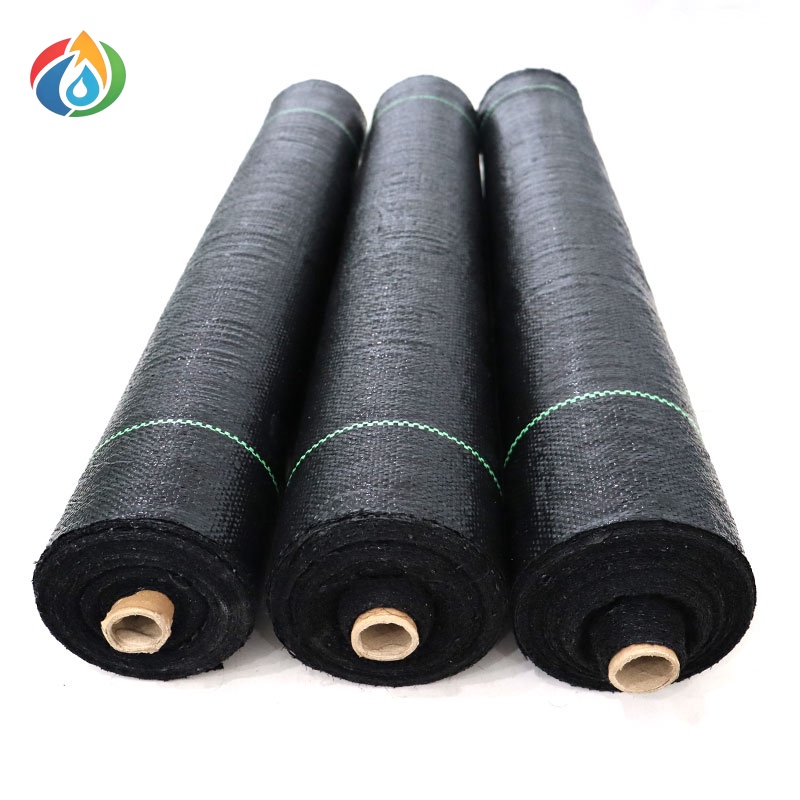
- Common Specifications - Weight: 80-150g/㎡ (mainstream 90-120g/㎡).
- Width: 0.8-5.2m (commonly 1m/1.2m/2m).
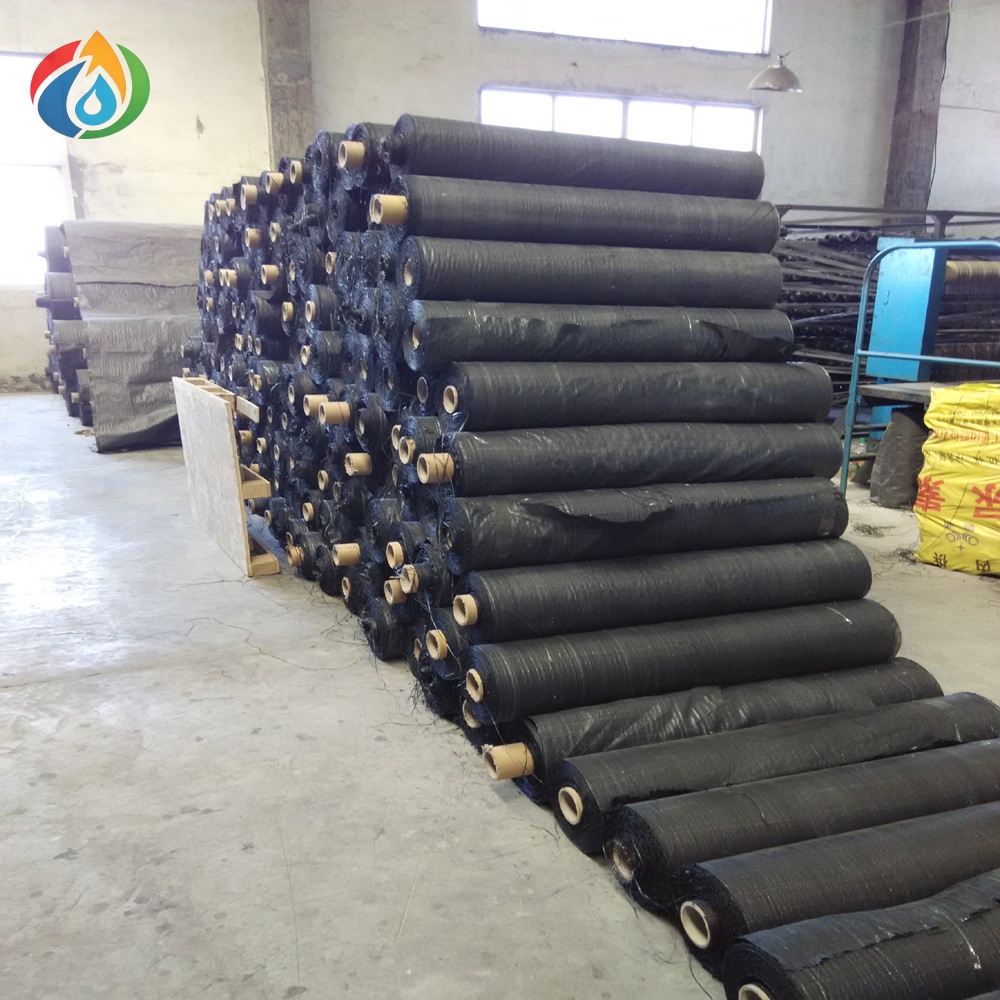
- Length: 50-200m/roll.
- Color: Black (strongest weed suppression), Green/Brown (landscape enhancement).
III. Product Advantages
1. Environmentally Friendly and Safe: Physical weed control, no pesticide residue, suitable for organic planting, protects soil microorganisms.
2. Labor-Saving and Cost-Reducing: One application lasts 3-5 years, saving 60% on manual weeding costs.
3. Water and fertilizer retention: Reduces water evaporation (saving 30%+ water), prevents fertilizer loss, and increases fertilizer utilization by 15%-20%.
4. Temperature regulation and soil protection: Cools in summer and insulates in winter, reducing soil compaction and water loss.
5. Durable and robust: UV resistant, tear resistant, corrosion resistant, and withstands outdoor wind and sun exposure.
IV. Applicable Scenarios
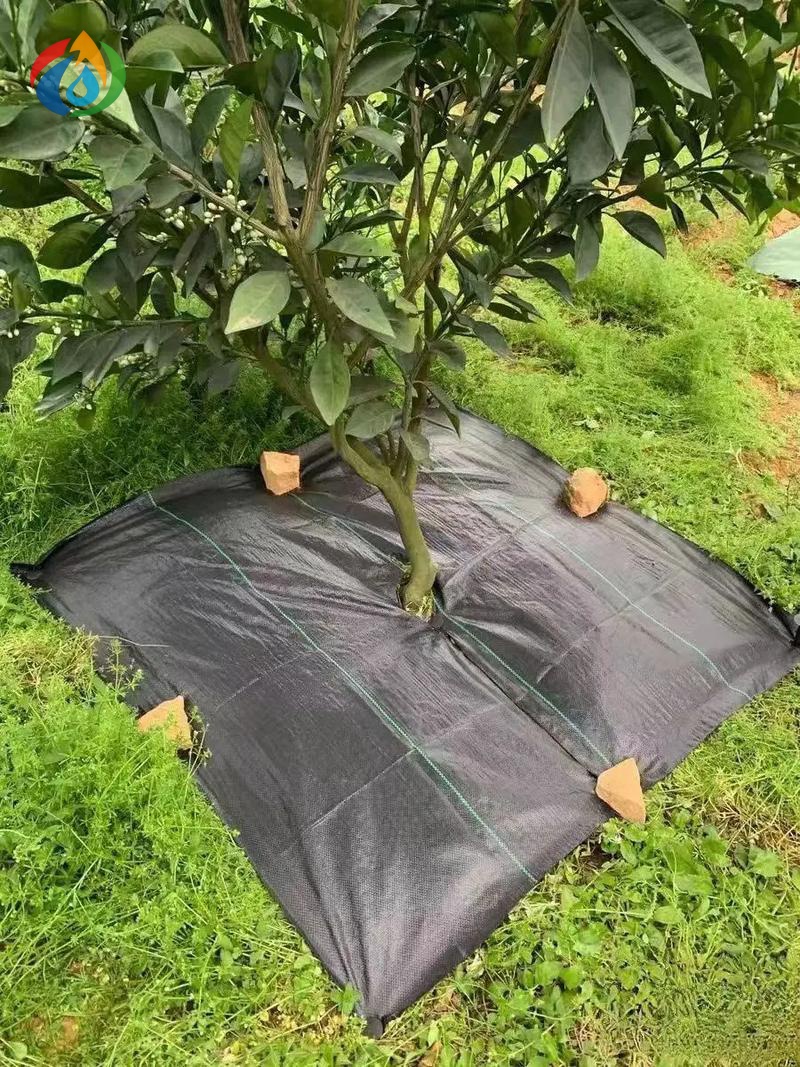
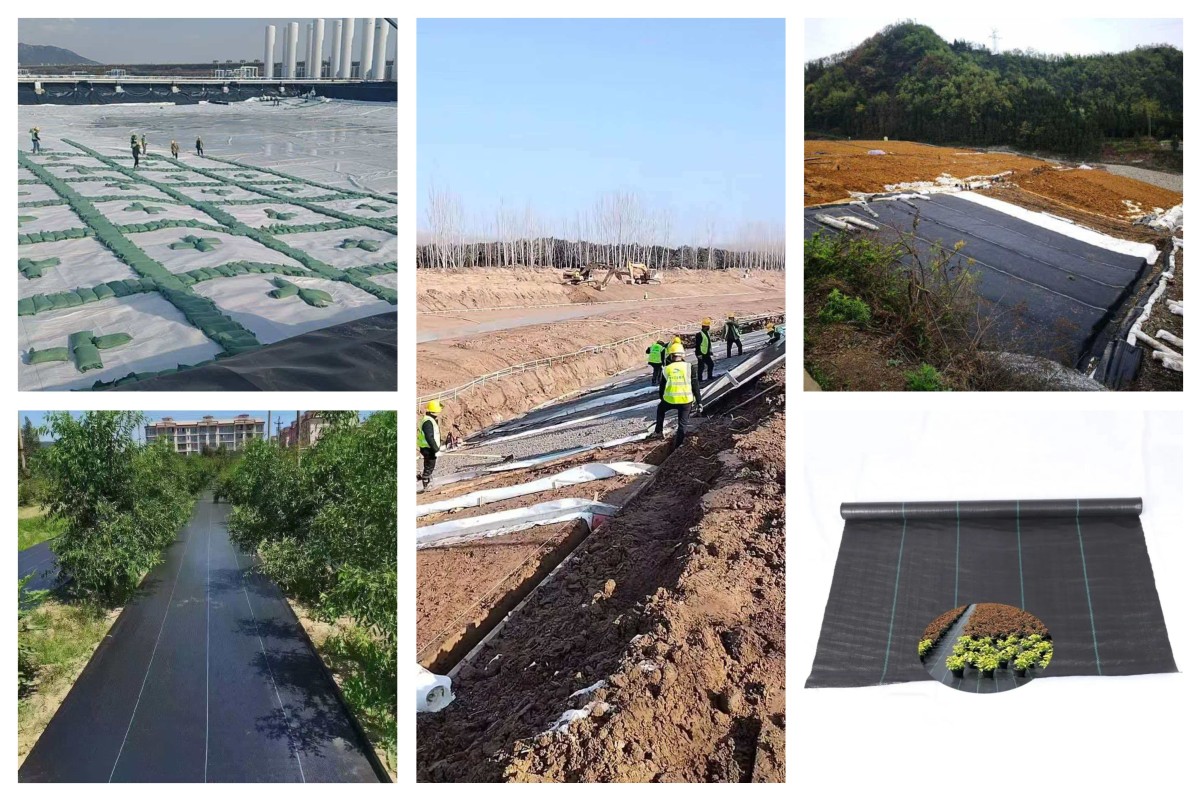
- Fruit Trees: Interrow mulch for citrus, apple, grape, blueberry, and other orchards.
- Vegetables/Greenhouses: Weed control, moisture retention, and soil temperature improvement in open-field vegetable gardens and greenhouses.
- Cash Crops: Tea gardens, flower nurseries, and medicinal herb cultivation.
- Landscaping/Courtyards: Garden greening, park walkways, home courtyards, and potted plant gardening.
V. Laying Points
1. Land Preparation: Remove weeds, roots, and stones, and level the land.
2. Laying: Spread the mulch along the planting ridges, overlapping by at least 10cm, and secure it around the edges with soil or ground stakes.
3. Planting: Make cross-shaped holes at the corresponding positions, place the crop in, and compact it tightly against the stem.
VI. Purchasing Recommendations
- Material Considerations: For long-term use, choose virgin PE with UV protection; for short-term use, choose economical PP.
- Weight Considerations: Prioritize 90-120g/㎡; too thin and it will break easily; too thick and it will be wasteful.
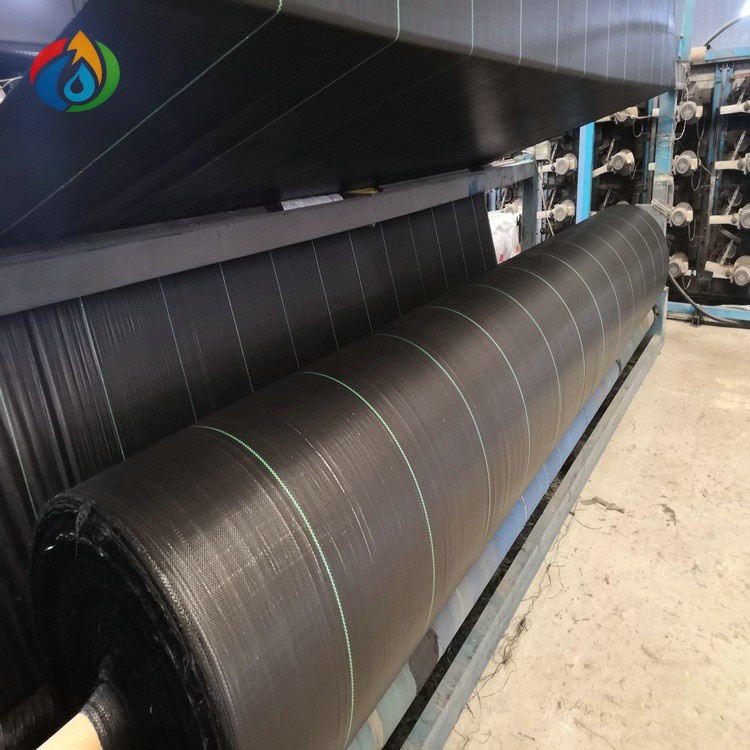
- Check the craftsmanship: Choose thicker, denser weave fabrics that are smooth and resilient.
Product Show
Project Case Studies
Hydraulic Engineering
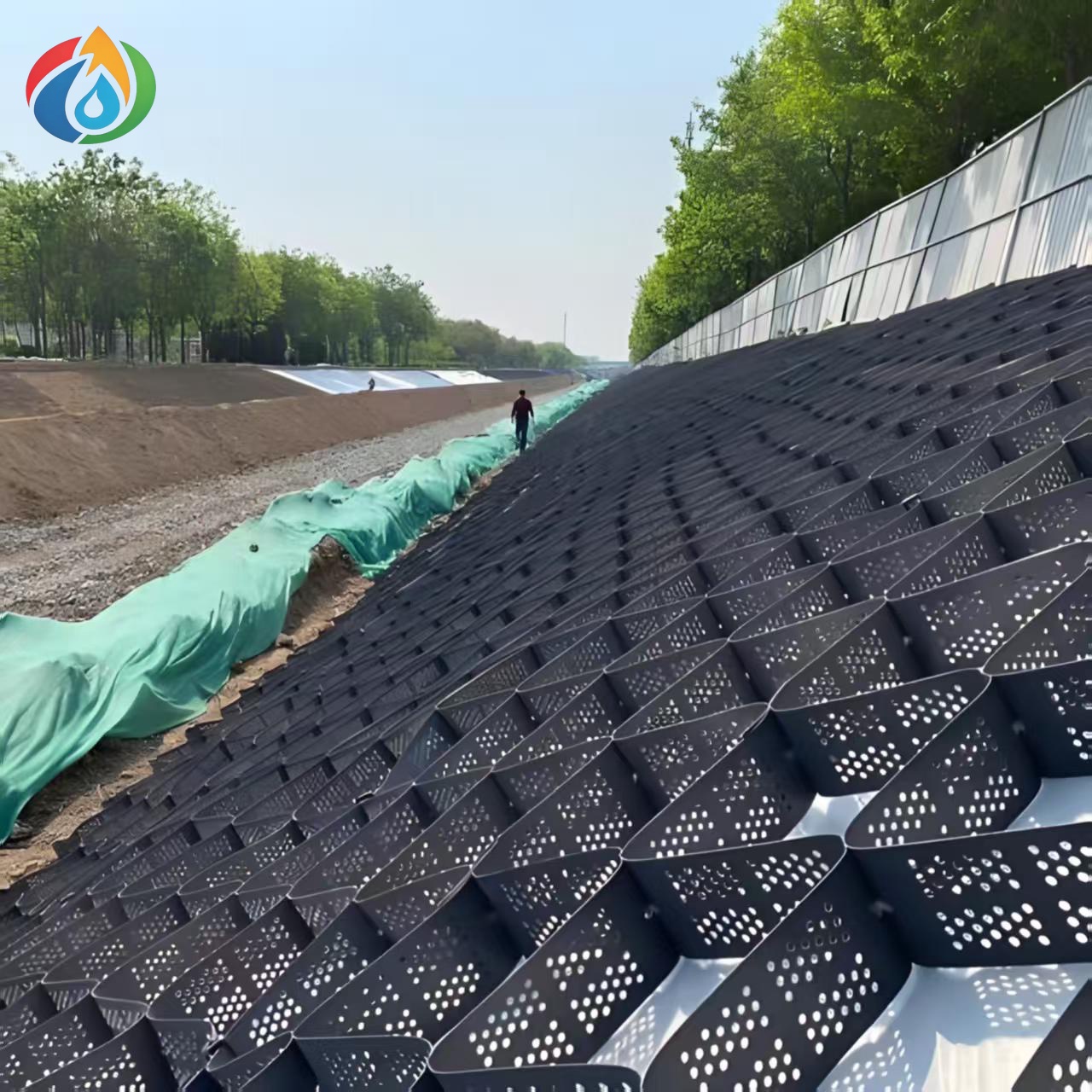
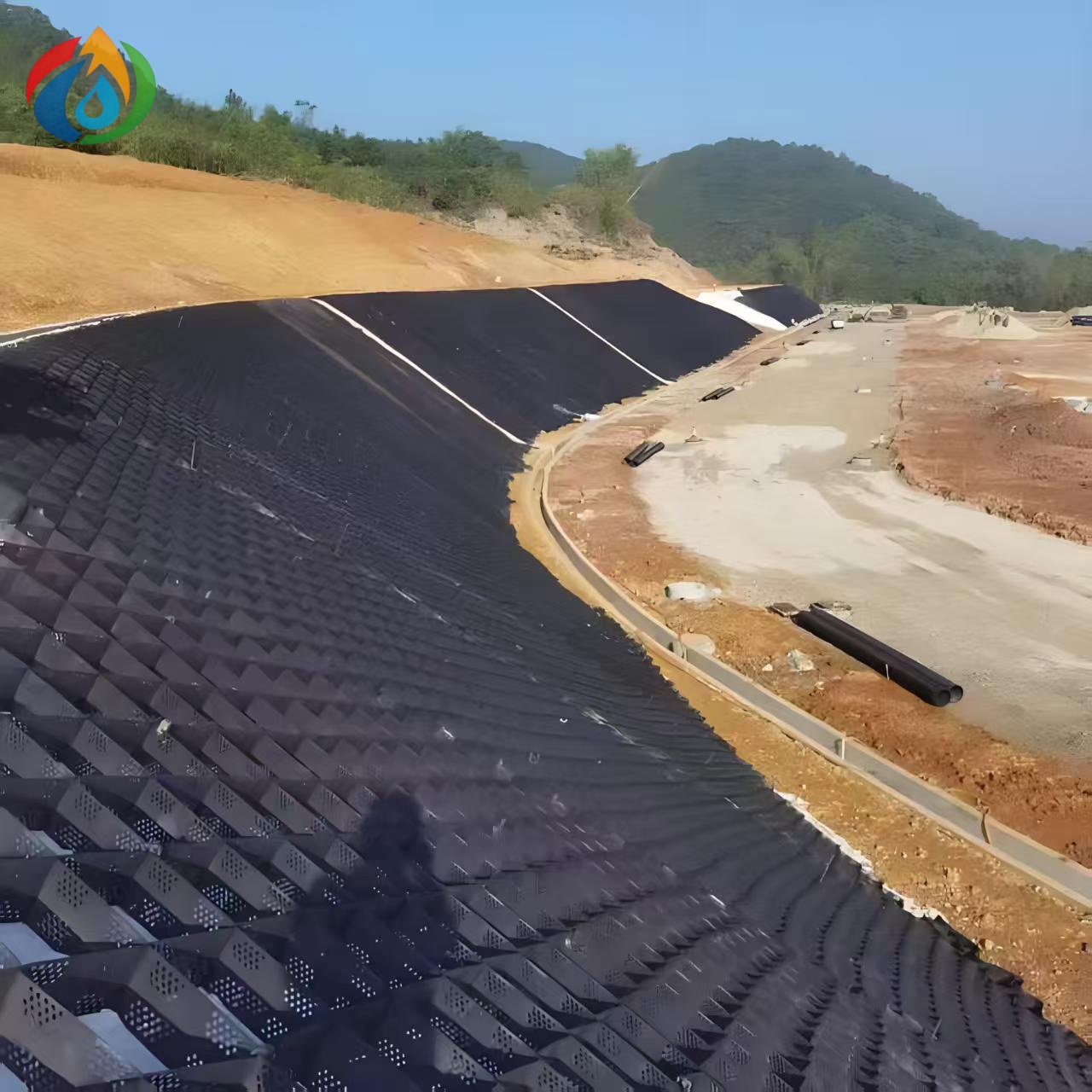
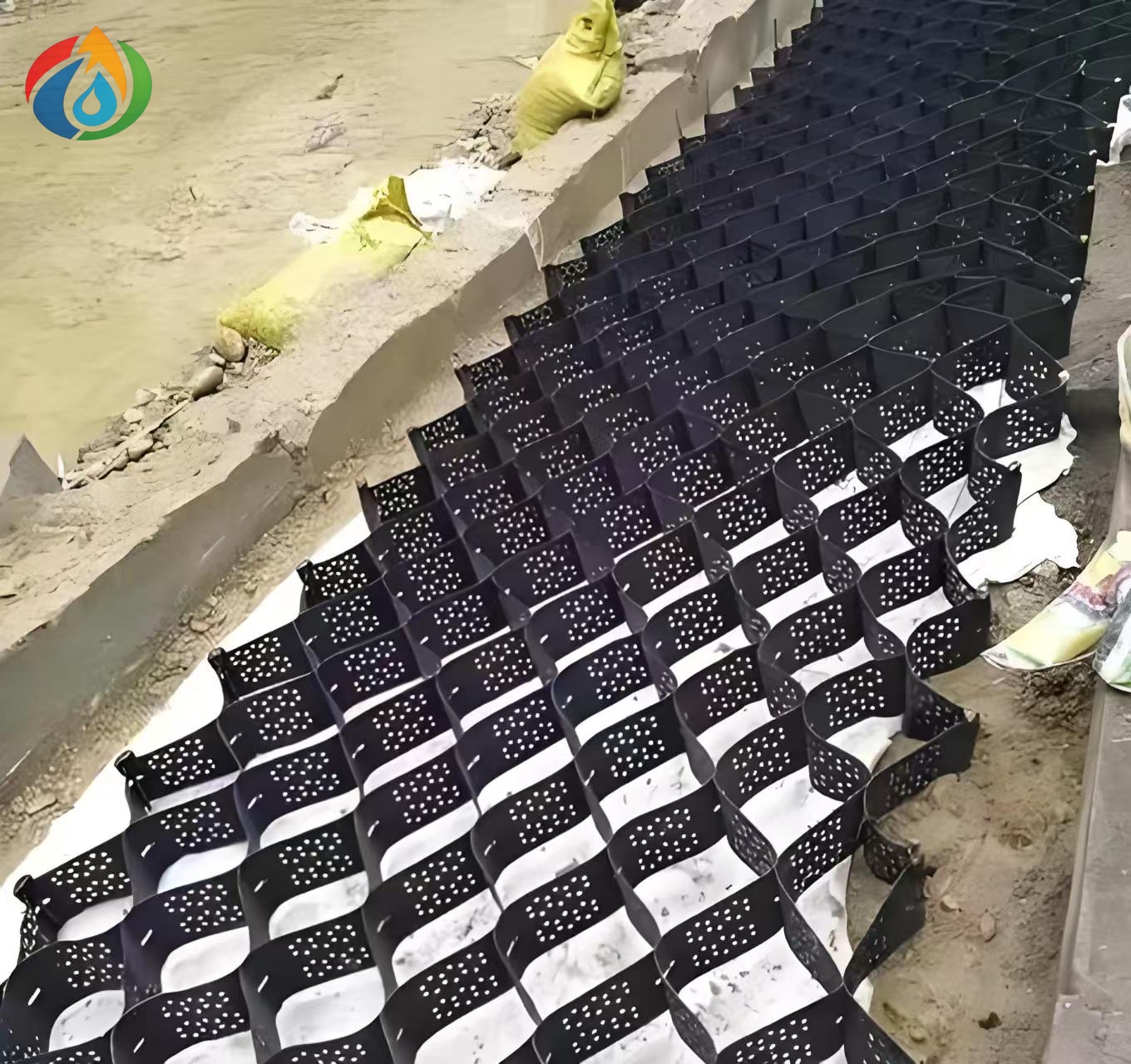
Riverbank Slope Protection Project
Riverbank Slope Protection Project
Hydraulic Engineering
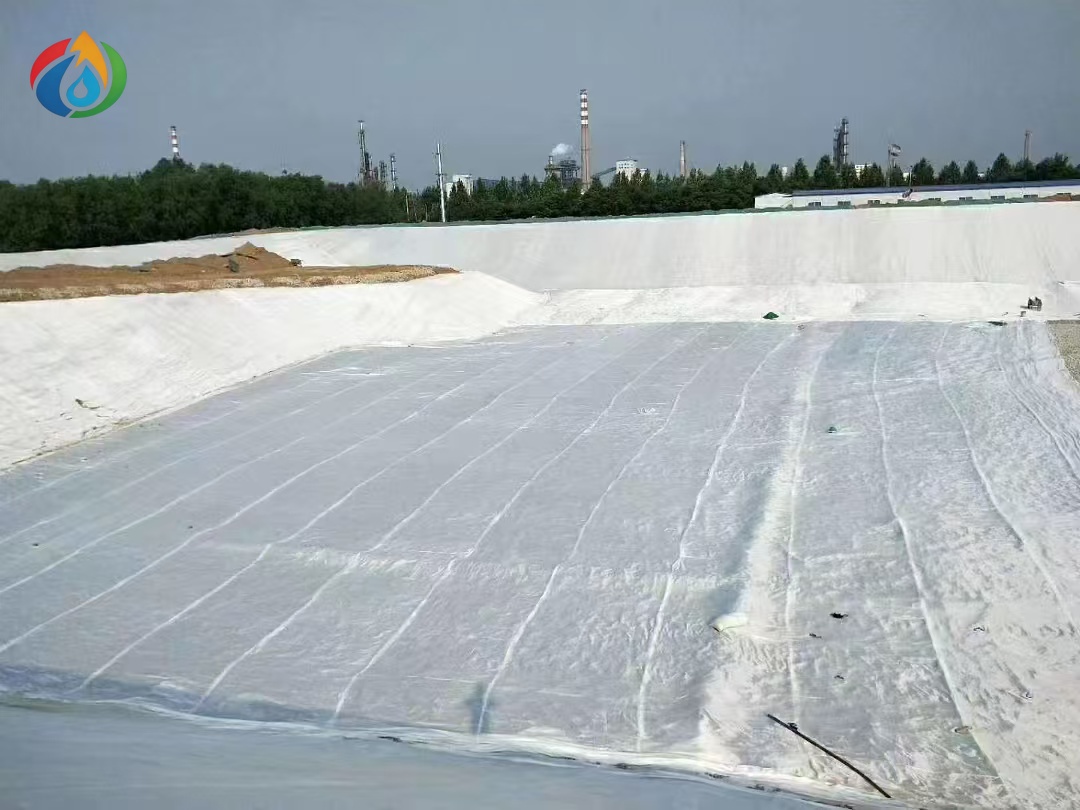
Artificial Lake Anti-Seepage Project
Artificial Lake Anti-Seepage Project
Salt Field Drying
Project Case Studies
Project Case Studies
Landfilling
Landfill Liner Systems
Landfill Liner Systems
Waste Landfilling
Solid Waste Landfill Project
Solid Waste Landfill Project
Launch Your High-Efficiency Anti-Seepage Solution
Our team of experts will provide you with a customized quotation and technical recommendations within 24 hours.
Related Products
 PVC GeomembraneStandardized ManufacturingScalable and Reliable DeliveryLearn More >
 EVA/ECB Waterproof MembraneStandardized ManufacturingScalable and Reliable DeliveryLearn More >
 Composite GeomembraneStandardized ManufacturingScalable and Reliable DeliveryLearn More >
 Short Fiber GeotextileStandardized ManufacturingScalable and Reliable DeliveryLearn More >
 Long-Filament GeotextileStandardized ManufacturingScalable and Reliable DeliveryLearn More >
 Eco BagStandardized ManufacturingScalable and Reliable DeliveryLearn More >
 Gabion BagStandardized ManufacturingScalable and Reliable DeliveryLearn More >
 Concrete BlanketStandardized ManufacturingScalable and Reliable DeliveryLearn More >
-(2)-(1)") Geogrid-(1)-(2)-(1)Standardized ManufacturingScalable and Reliable DeliveryLearn More >
Geogrid-(1)-(2)-(1)Standardized ManufacturingScalable and Reliable DeliveryLearn More > GeogridStandardized ManufacturingScalable and Reliable DeliveryLearn More >
 GeogridStandardized ManufacturingScalable and Reliable DeliveryLearn More >
 GeogridStandardized ManufacturingScalable and Reliable DeliveryLearn More >
 GeogridStandardized ManufacturingScalable and Reliable DeliveryLearn More >
 GeogridStandardized ManufacturingScalable and Reliable DeliveryLearn More >
 GeocellStandardized ManufacturingScalable and Reliable DeliveryLearn More >
 GeocellStandardized ManufacturingScalable and Reliable DeliveryLearn More >
 GeocellStandardized ManufacturingScalable and Reliable DeliveryLearn More >
 GeocellStandardized ManufacturingScalable and Reliable DeliveryLearn More >
 GeocellStandardized ManufacturingScalable and Reliable DeliveryLearn More >
 GeocellStandardized ManufacturingScalable and Reliable DeliveryLearn More >
 PVC GeomembraneStandardized ManufacturingScalable and Reliable DeliveryLearn More >
 PVC GeomembraneStandardized ManufacturingScalable and Reliable DeliveryLearn More >
 PVC GeomembraneStandardized ManufacturingScalable and Reliable DeliveryLearn More >
 PVC GeomembraneStandardized ManufacturingScalable and Reliable DeliveryLearn More >
 EVA/ECB Waterproof MembraneStandardized ManufacturingScalable and Reliable DeliveryLearn More >
 EVA/ECB Waterproof MembraneStandardized ManufacturingScalable and Reliable DeliveryLearn More >
 EVA/ECB Waterproof MembraneStandardized ManufacturingScalable and Reliable DeliveryLearn More >
 EVA/ECB Waterproof MembraneStandardized ManufacturingScalable and Reliable DeliveryLearn More >
 EVA/ECB Waterproof MembraneStandardized ManufacturingScalable and Reliable DeliveryLearn More >
 Composite GeomembraneStandardized ManufacturingScalable and Reliable DeliveryLearn More >
 Short Fiber GeotextileStandardized ManufacturingScalable and Reliable DeliveryLearn More >
 Short Fiber GeotextileStandardized ManufacturingScalable and Reliable DeliveryLearn More >
 Short Fiber GeotextileStandardized ManufacturingScalable and Reliable DeliveryLearn More >
 Long-Filament GeotextileStandardized ManufacturingScalable and Reliable DeliveryLearn More >
") Long-Filament Geotextile-(3)Standardized ManufacturingScalable and Reliable DeliveryLearn More >
Long-Filament Geotextile-(3)Standardized ManufacturingScalable and Reliable DeliveryLearn More > Long-Filament GeotextileStandardized ManufacturingScalable and Reliable DeliveryLearn More >
 Long-Filament GeotextileStandardized ManufacturingScalable and Reliable DeliveryLearn More >
 Eco BagStandardized ManufacturingScalable and Reliable DeliveryLearn More >
 Eco BagStandardized ManufacturingScalable and Reliable DeliveryLearn More >
Leave A Message
If you are interested in our products and want to know more details, please leave a message here, we will reply you as soon as we can.